







Search Results for: Santa Felisa Estate
Analysis of the Flavor and Estate Story of Guatemala Santa Felisa Estate Red Pacamara Maragogype K72 Process
Pacamara Maragogipe is a cross between the Pacas and Maragogipe varieties, combining rich flavor with an elegant texture. Guatemala's Santa Felisa Estate, founded in 1904, is located in the Acatenango Valley and is known for its eco-friendly farming methods, eight processing methods, and insistence on hand-picking at 21 degrees Brix, consistently ranking among the top in the COE. The estate weathered the impact of leaf rust, losing its organic certification yet still upholding its ecological philosophy. Its K72 processing method combines repeated fermentation with washed and sun-dried techniques, giving the coffee bright, clean flavors of citrus notes, dried tangerine peel aroma, cherry, and sweet persimmon. Front Street Coffee recommends brewing with a Hario V60, 90°C water temperature, and a three-pour method to showcase this Red Pacamara Maragogipe's lingering sweetness and smooth mouthfeel. [more…]
Guatemala Santa Felisa Estate Red Pacamara Natural Coffee Beans: Full Analysis of Flavor, Origin, and Processing Method
Santa Felisa Estate is located in Acatenango, a famous producing region in Guatemala. Founded by the Cruz family in 1904, it has now passed down to its fourth generation. The estate has repeatedly achieved excellent results in the Guatemala Cup of Excellence (COE) in 2016 and 2017, including first place in 2017. The batch introduced here is the Red Pacamara variety with natural processing, presenting flavors of pineapple, strawberry, black plum, and walnut, with a rich juicy feel, clean and delicate, and full layers. Guatemalan natural green beans are relatively rare, so this bean has attracted much attention. Front Street Coffee recommends that friends who enjoy natural flavors give it a try and experience its special ripe fruit aroma. [more…]
Flavor Analysis and Brewing Suggestions for Guatemala Santa Felisa Estate Geisha Orange Honey Process Coffee
Guatemala, with its high-altitude volcanic terrain and diverse microclimates, has become an important producer of specialty coffee in Central America, and its coffees often carry a distinctive smoky note in the finish. Finca Santa Felisa in the Acatenango region, founded in 1904 and now passed down through four generations, is known for its meticulous management and diverse processing methods. This article focuses on the estate's Geisha Orange Honey process lot, analyzing its flavor layers from grinding to tasting, including floral notes, honey, blueberry, apricot, and bergamot, while also introducing the estate's practices in varieties, post-harvest processing, and human care. It also shares Front Street Coffee's brewing parameters and bean-resting recommendations to help coffee enthusiasts better present the delicate elegance of this bean. [more…]
Flavor Characteristics of Guatemala Finca Santa Felisa Typica K72 Washed Coffee Beans and the Story of a Century-Old Estate
San Felisa Estate is a century-old family estate in the Acatenango region of Guatemala, run by the fourth generation of the Cruz family. The estate has its own processing plant, sits at an altitude of about 1,550 meters, and its coffee is grown at elevations of up to 1,920 meters. Its Typica beans use the K72 washed processing method—rare in Central America and originating in Kenya—undergoing 72 hours of triple-cycle fermentation and washing. Front Street Coffee recommends this bean, whose flavor profile features jasmine, lemongrass, chocolate, pistachio, stone fruit, delicate malic acidity, and a lingering caramel finish. This article will guide you through the estate's history, processing details, community philanthropy philosophy, and recommendations for various roast levels. [more…]
A Complete Guide to Panama Santa Teresa Estate Coffee: The Flavor and Award-Winning History of Boquete-Grown Catuai Washed Beans
Located at the border between Panama and Costa Rica, Hacienda Santa Teresa is a hundred-hectare high-altitude coffee estate. Owner Juan Pablo Berard and his daughter Maria Luisia manage this land together, deliberately preserving twenty-five hectares of primary forest as a habitat for wildlife. The estate cultivates varieties such as Caturra, Catuai, and Geisha, and thanks to the volcanic black soil and the dual climates of the Pacific and Atlantic, it nurtures diverse micro-lot specialty coffees. The estate has repeatedly achieved outstanding results in Panama's annual Cup of Excellence (CoE) competition and was even selected in 2012 by the World Brewers Cup champion. This article will guide you through the estate's geography, cultivation philosophy, the flavor expression of its washed Catuai, and its award-winning records over the years, offering an in-depth look at the charm of this quintessential washed Panamanian coffee. Front Street Coffee also recommends paying attention to this estate's lots. [more…]
Panama Santa Teresa Estate Geisha: A Complete Analysis of Processing Methods, Roasting Recommendations, and Pour-Over Flavor
Finca Santa Teresa is located in the Santa Clara growing region of Chiriquí Province, Panama, at an altitude of 1,400 to 1,800 meters, adjacent to the Barú Volcano. Thanks to its fertile volcanic soil and microclimate, it produces exceptional Geisha. The estate is run jointly by Juan Pablo Berard and his daughter Maria Luisia, preserves its primary forest, practices environmentally friendly processing, and has won multiple Best of Panama awards. This article introduces the estate's background, its Geisha processing methods, roast level, and pour-over flavors. Front Street Coffee recommends this Geisha with delicate floral notes and a clean, fresh profile, taking you to experience the unique charm of Panamanian Geisha. [more…]
A Comprehensive Analysis of the Flavor and Origin of Front Street Panama Santa Teresa Estate Washed Caturra and Catuai Coffee
Panamanian coffee has attracted considerable attention among Central American producing countries in recent years. In addition to the Geisha variety from Hacienda La Esmeralda, which sparked a craze, Finca Santa Teresa in the Santa Clara region has also performed remarkably well. The estate is jointly managed by Juan Pablo Berard and his daughter Maria Luisia, covers 100 hectares, retains 25 hectares of primary forest, and mainly grows Caturra, Catuai, and Geisha. This article takes the estate's washed Caturra and Catuai as an entry point, sorts out the historical context of Panamanian coffee and the characteristics of its four core producing regions, and presents Finca Santa Teresa's award record and management philosophy. The micro-lot washed batch purchased this time by Front Street Coffee shows flavors of strawberry and floral notes, creamy roasted nuts accompanied by cane sugar sweetness, milk chocolate, and a pleasant sweet-acidity, and it has also repeatedly received recognition in Panama's Cup of Excellence CoE competitions over the years. [more…]
Costa Rica 2024 COE Washed Category Champion Hacienda Santa Teresa: An In-Depth Analysis
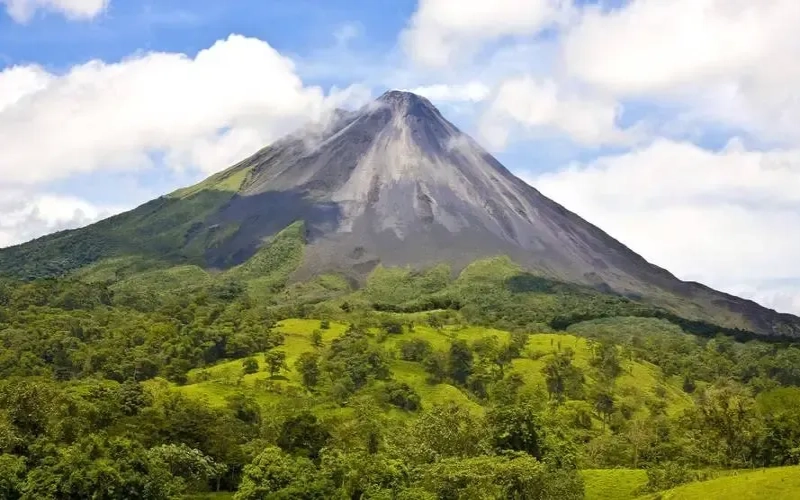
The 2024 Costa Rica COE competition washed category champion was won by Hacienda Santa Teresa with a score of 92.04. What exactly makes this estate, located in the Tarrazú production region, so unique? As a major coffee powerhouse in Central America, Costa Rica has seven distinctive production regions, among which the Los Santos area attracts much attention because of Tarrazú's fame. Hacienda Santa Teresa is situated in the high-altitude zone of the Cordillera Central at 1,900-2,050 meters, cultivating varieties such as Geisha, Sudan Rume, and Pacamara, and has long participated in the Blue Flag environmental certification program. This article will guide you through Costa Rica's coffee terroir, its production region divisions, and Hacienda Santa Teresa's progression from eighth place in the 2022 COE to champion in the 2024 washed category. Front Street Coffee will also recommend related products for you. [more…]
Hacienda Santa Teresa: A Strong Contender of Traditional Varieties at the Foot of Baru Volcano
In the 2026 BOP Traditional Varieties category, the champion belongs to Altieri Estate, the runner-up is Hacienda La Esmeralda, and the third place is a batch that entered with 92.38 points—it comes from Finca Santa Teresa, owned by Ezequiel [more…]
Brazilian Specialty Coffee Brand Recommendation: Santa Isabel Estate Yellow Bourbon Pulped Natural Flavor Analysis
Brazil, as the world's largest coffee producer, has also drawn considerable attention in recent years for the quality of its specialty coffee. This article focuses on the Yellow Bourbon variety produced at Fazenda Santa Isabel in Minas Gerais, offering a look at the story behind this award-winning coffee. From the estate's unique microclimate to the meticulous hand-picking process, and then to the rarity of peaberry grading, we break down its flavor code one by one. This semi-washed Yellow Bourbon brought to you by Front Street Coffee displays the classic notes of honey, hazelnut, and chocolate, showcasing the solid strength of Brazilian specialty coffee. If you are looking for a Brazilian coffee brand worth trying, this article is a good place to start. [more…]

The geographical and varietal reasons behind El Salvador's outstanding coffee quality, and a flavor analysis of Bourbon beans from the Santa Ana region
Although El Salvador is a small country in Central America, it occupies an important place in the specialty coffee landscape, and together with Costa Rica it is part of the region where improved honey processing techniques originated. Front Street Coffee summarizes its flavor as mild and slightly acidic, with pleasant sweetness, full aroma, and a clean mouthfeel. This article will review El Salvador's coffee-producing regions and altitude classification system, analyze the terroir advantages of the Santa Ana volcanic region, and introduce in detail the Bourbon variety and hybrid processing method of the Chocolate Lover Estate, as well as Front Street Coffee's roasting curve and pour-over parameters, giving you a comprehensive understanding of the coffee charm of this Central American producing country. [more…]
A Complete Analysis of Salvadoran Coffee Flavors: The Pour-Over Taste and Processing Characteristics of Bourbon Beans from the Santa Ana Region
Although El Salvador is a small country in Central America, it occupies an important place on the specialty coffee map. It is not only one of the birthplaces of the improved honey process, but also known for its balanced and mellow flavor. This article will provide a complete overview of the taste characteristics of Salvadoran coffee, from the distribution of producing regions, variety characteristics, and the microclimate of the Santa Ana volcano region, to the Bourbon beans of the Chocolate Lover Estate, the hybrid processing method, and the details of roasting and brewing. FrontStreet Coffee also provides specific reference on the pour-over performance of this bean, making it suitable for enthusiasts who want to gain a deeper understanding of Central American coffee. [more…]
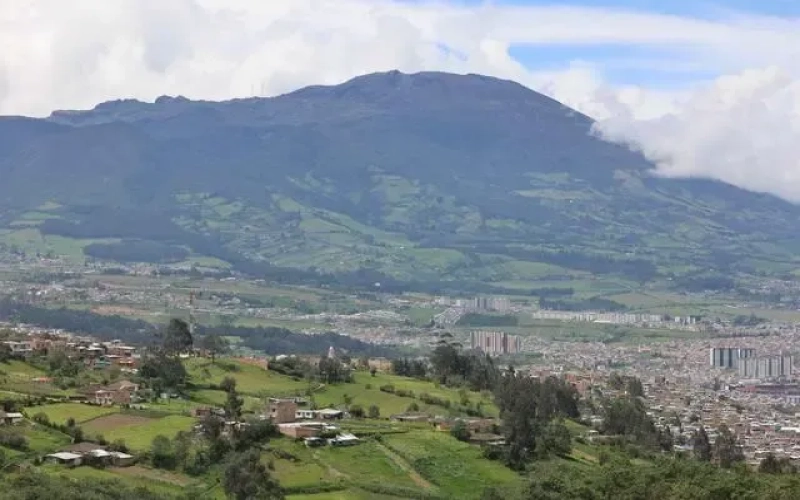
An In-Depth Analysis of Colombia's Nariño Region: From the Rise of the FNC to Hacienda Santa Ana's Road to COE Runner-Up
The Andes Mountains run the length of South America, nurturing numerous coffee-producing countries, and Colombia is among the most outstanding of them. After years of war and social upheaval, Colombia's coffee industry, supported by FNC's standardized management and its unique topography and climate, gradually grew into the world's third-largest coffee-producing country. Beyond well-known regions such as Cauca and Huila, the province of Nariño is emerging with highly complex flavors and floral characteristics, and Hacienda Santa Ana even secured runner-up in Colombia's 2023 COE. This article takes you deep into the natural conditions and historical context of the Nariño growing region, as well as the Geisha cultivation stories of Hacienda Santa Ana and Finca Bohemia. Front Street Coffee continues to follow developments in Colombian specialty coffee, bringing first-hand regional news to enthusiasts. [more…]
A Complete Guide to Guatemalan Coffee: Terroir of Eight Major Regions, Bean Characteristics, and Brewing Tips for Two Front Street Coffee Signature Selections
Guatemala is one of the most important specialty coffee-producing countries in Central America. With its high altitudes, volcanic soil, and diverse climates, it nurtures richly layered coffee flavors. This article systematically reviews the historical development of Guatemalan coffee, its bean varieties, grading standards, and processing methods, explains in detail the terroir differences among the eight major producing regions, and highlights two Antigua representatives from Front Street Coffee—Floral and Santa Clara—including their varieties, processing methods, roasting approach, and flavor profile, helping coffee enthusiasts build a complete understanding of this producing region. [more…]
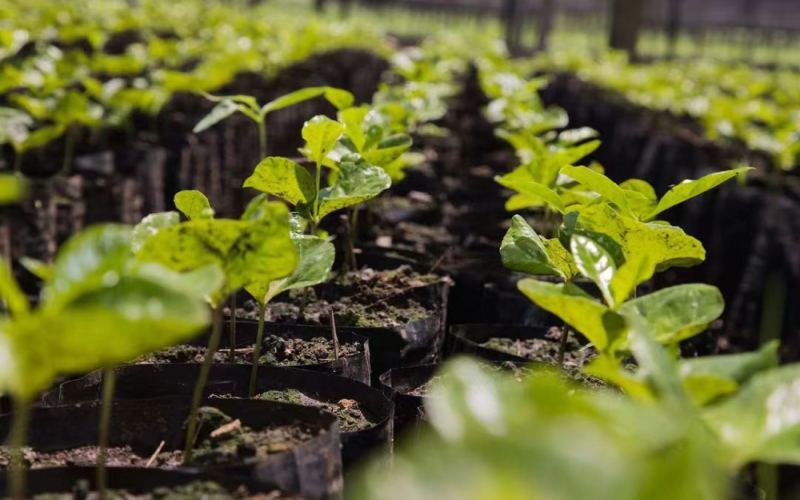
A Complete Analysis of Salvadoran Coffee Bean Origins: From Historical Changes to the Flavor of Bourbon and Pacamara Varieties
Although El Salvador is a small country, it occupies an important position on the coffee map of Central America. Here, there is both the delicate acidity and sweet balance nurtured by volcanic fertile soil, as well as a tumultuous history of dye substitution, land reform, and the ravages of leaf rust. Front Street Coffee has long been deeply involved in estates across multiple producing regions in El Salvador, accumulating a large number of flavor samples through roasting and cupping. This article begins with the coffee story of El Salvador, sorting out its growing conditions, the characteristics of nine major producing regions, and the main varieties (Typica, Bourbon, Pacas, Pacamara), and includes Front Street's roasting and brewing approach for the Santa Ana Chocolate Lover, taking you through a comprehensive understanding of the coffee charm of this "Volcano Country." [more…]
Front Street Selection: El Salvador Himalaya Estate — Honey-Process Red Bourbon Flavor Analysis and Origin Story
The El Salvador Himalaya Estate is located in the Santa Ana region, at an altitude of 1,500 meters in the Apaneca mountain range, and is managed by Aida Batlle, primarily cultivating Bourbon varieties. This lot of Red Bourbon and Typica is washed at the El Divisadero processing station and then dried on African raised beds using the semi-dry process, presenting a complex flavor profile of red wine acidity, plum, and brown sugar, with a full body and a long-lasting finish. Front Street Coffee brings you this specialty roasted bean, and also introduces the Project Origin green bean sourcing initiative founded by Sasa Sestic—a project that works directly with farmers in impoverished regions, improves production conditions, and purchases at 20% above fair trade prices, supporting the sustainable development of high-quality coffee. [more…]
Cup Tasting Flavor Profile and Origin Characteristics of El Salvador Finca Neblina Champion Lot Pacamara and Bourbon Coffee Beans
This article provides an in-depth introduction to the legendary Salvadoran coffee producer Ernesto Menéndez and his award-winning lots from Finca Las Brumas. This lot includes two varieties, Pacamara and Bourbon, sourced from microclimatic blocks above 1,700 meters, with a clean and sweet flavor profile featuring notes of cherry, berries, creamy chocolate, and spice sweetness. The article details the estate's history, the arduous journey of twice winning the Cup of Excellence, the characteristics of the Pacamara variety, and includes a cupping report and roasting degree recommendations. It also introduces an overview of El Salvador's coffee-producing regions and information recommended by Front Street Coffee, making it suitable for coffee enthusiasts to gain a comprehensive understanding of the unique charm of Central American specialty coffee. [more…]
Brazil São Hedwig Estate Coffee Bean Analysis: Mundo Novo Variety Flavor and Origin Characteristics
Brazil, as the world's largest coffee producer, has production fluctuations that directly affect international coffee market prices. However, in recent years, Brazil's coffee production growth has stagnated, and the reasons behind this are complex and varied. This article will take you into a deeper understanding of the unique flavor characteristics of Brazilian coffee, with a focus on the Mundo Novo variety from Fazenda Santa Hedwig, unraveling the code to its smooth, clean, and sweet flavor. At the same time, Front Street Coffee will also recommend this coffee bean as a top choice for beginners, allowing you to easily appreciate the charm of Brazilian coffee. [more…]

Overview of El Salvador's Six Major Specialty Coffee Regions: Bean Varieties, Flavor Characteristics, Grading Standards, and Brewing Notes from Representative Estates
Although El Salvador is a small country, it was once the fourth-largest coffee producer in the world. The civil war once left the industry in decline, and although it has gradually recovered today, production has struggled to return to its former peak. After recently cupping several Salvadoran coffees, Front Street found that regardless of which producing region they come from, a delicate and soft acidity along with a sweet, balanced mouthfeel are always common characteristics of the country's coffee. This article reviews the geographical and flavor differences of six specialty producing regions, explains the SHG and CS grading system based on altitude, and records the roasting, cupping, and brewing performance of the Bourbon from Chocolate Lover Estate and the Black Honey Pacamara from Posido Estate that Front Street acquired, for the reference of coffee enthusiasts. [more…]
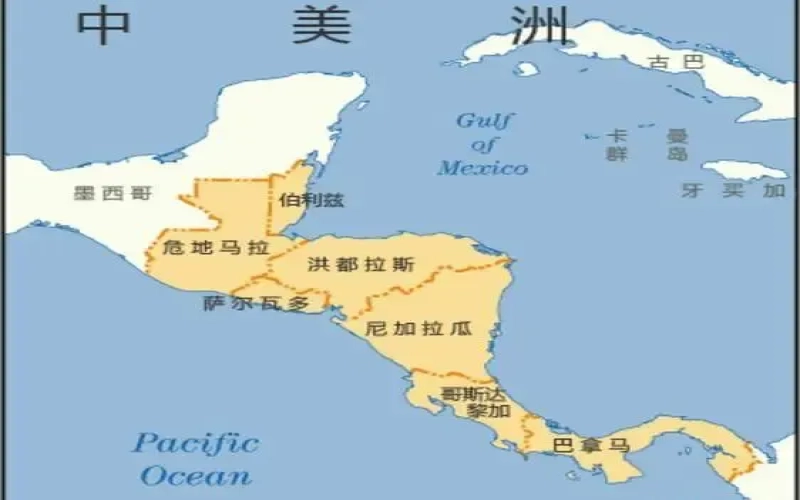
El Salvador Apaneca-Ilamatepec Region Analysis: Volcanic Soil, Historical Changes, and Finca El Angel
Among the many coffee-producing countries in Central America, El Salvador may not stand out in terms of volume, yet its volcanic ash soils and diverse microclimates give rise to a highly distinctive flavor profile. This article begins with the historical context, tracing how coffee replaced indigo as the backbone of the nation's economy and, after civil war and land reform, shifted toward competing on quality. The focus then turns to the largest producing region in the west, Apaneca-Ilamatepec, interpreting the high-altitude growing conditions around the Santa Ana volcano and the ecological value of shade cultivation, and introducing the varietal layout and terroir characteristics of Angel Estate, this year's COE Natural category runner-up. Front Street Coffee will also combine the region's characteristics to offer enthusiasts some reference ideas on bean selection and brewing. [more…]